
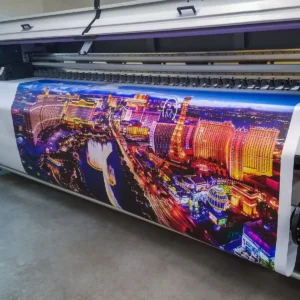
Custom banner printing is more than a one-off print job; it’s a carefully planned system that combines material science, image quality, and finishing details to create banners that grab attention and endure the elements. When you consider materials for banner printing, banner printing resolution, and banner finishes together, you can select a solution that fits your goals and budget. This introductory guide covers the three pillars—materials, resolution, and finishes—and shows how these elements apply across large format printing projects such as storefronts, trade shows, or events. For durable, vibrant output, vinyl banner printing remains a workhorse, but other substrates like fabric, mesh, and backlit films expand your options and influence the final look. By understanding how these factors interact, you can manage costs, schedule, and quality with confidence from concept to installation.
To put it simply, think of this as bespoke signage production rather than a single print job. These large format printing projects blend material choices, ink chemistry, and finishing touches to create durable, high-impact displays for storefronts, trade shows, and brand storytelling. Understanding the interplay between substrate selection, color management, and protective coatings helps viewers see crisp text and accurate color from a distance. From storefront banners to trade-show backdrops, the approach emphasizes consistency, proofing, and lifecycle planning. Whether you call it banner production, signage fabrication, or large-format graphics, the goal remains the same: maximize visibility, durability, and return on investment.
Materials for Banner Printing: Choosing Substrates for Durability and Visual Impact
The material you choose is the foundation of a banner’s performance, and selecting the right substrate directly affects durability, printability, and how colors render in real-world viewing conditions. In most commercial scenarios, vinyl banner printing remains the workhorse due to its balance of toughness, flexibility, and cost. Beyond vinyl, options like PVC-free films, fabric banners, mesh for reduced wind load, and backlit films for lightbox displays expand your possibilities depending on location, weather exposure, and installation method. When evaluating materials for banner printing, consider life span, portability, and ease of handling as you map a project’s needs to the right substrate.
A practical approach is to map use case to life cycle: short-term promotions can use cost-effective vinyl with basic lamination, while multi-month outdoor runs benefit from heavier vinyl and UV-resistant inks along with robust laminates. For premium interiors or event spaces, fabric banners with dye-sublimation or direct-to-fabric prints offer a luxurious look and a softer drape that photographs well for social media. Throughout this process, confirm compatibility with your printer, inks, and finishing workflow to ensure predictable results across large format printing projects.
Resolution and Image Quality: Achieving Clarity at Any Viewing Distance
Resolution, or the dots per inch (DPI) you use to reproduce imagery on a large format substrate, determines how sharp your banner appears from various distances. The general rule is that larger banners require higher image quality to avoid pixelation when viewed up close. For typical banners viewed from several feet away, 80–150 DPI at final size often looks crisp, while indoor displays may justify 300 DPI or higher for maximum detail up close. The exact target depends on viewing distance, print method, and the printer’s capabilities.
In practice, you’ll often work with vector art for logos and typography, which scales without losing sharpness, alongside high-resolution raster images for photography. Color management plays a core role in banner printing resolution, requiring calibrated workflows, ICC profiles, and consistent ink behavior across media. Remember to request a proof at final size and materials to verify sharpness and color before committing to a large run, and consider lamination or UV coating to protect color integrity on outdoor installations.
Finishes that Protect and Enhance: Laminates, Coatings, and Edge Treatments
Finishes dramatically influence appearance, durability, and installability. Finishes include laminates, UV coatings, and edge treatments that enhance weather resistance, color longevity, and tactile feel. Lamination is a common step that adds a protective layer to the printed surface, with gloss laminates boosting color vibrancy and detail—ideal for photography-heavy banners—while matte laminates reduce reflections for easier readability in bright light.
UV coatings provide another layer of protection against sun exposure and can pair with laminates for added moisture resistance and scratch protection. Finishing choices also encompass practical details like edge finishing, grommets for hanging, and pockets for poles, all of which influence both appearance and installability. When planning finishes, consider the installation environment and whether the goal is maximum image quality, durability, or a balance of both.
Design and Color Management for High-Impact Banners
Beyond raw materials and finishes, thoughtful design and color management are essential to every banner project. Color management is critical because on-screen colors rarely match printed output. Convert artwork to CMYK for most commercial printers and use print-ready color profiles to minimize shifts. Providing print-ready fonts and embedding or outlining text helps prevent substitutions that could alter the layout when expanding a design to large format.
Composition matters: high-contrast colors, clear typography, and concise messaging boost readability at distance. If your design includes fine details or long copy, test at the expected viewing distance and consider simplifying for legibility. When you combine design choices with the right materials, resolution, and finishes, you’ll achieve banners that are visually striking in photos and maintain impact in real-world viewing.
Putting It All Together: A Practical Checklist for Your Banner Project
A successful banner project balances costs, durability, and aesthetics by aligning materials for banner printing with the intended use, life span, and mounting method. Start by choosing the right substrate (vinyl banner printing as a baseline, with alternatives for specialty needs), then confirm the banner printing resolution targets based on viewing distance, and finally select finishes that support both appearance and longevity. This integrated approach helps ensure predictable results across large format printing runs.
Maintain a disciplined workflow: request final proofs at true size, verify color management requirements, and define installation hardware (grommets, pole pockets, etc.). Plan maintenance and lifecycle considerations, such as easy cleaning and safe storage, to protect your investment. By following this practical checklist, you’ll deliver banners that perform well in real-world conditions, from storefront promotions to multi-month outdoor campaigns, while keeping costs under control and ensuring consistent quality.
Frequently Asked Questions
In Custom banner printing, which materials for banner printing deliver the best outdoor durability?
Vinyl banner printing materials are the go-to for outdoor durability in Custom banner printing. Choose 13 oz or 15 oz PVC vinyl with a UV-resistant ink and a protective laminate. Matte finishes reduce glare, while gloss laminates boost color depth; for high wind or longer-term outdoor use, mesh or backlit films are alternatives. Verify material compatibility with your printer and finishing equipment for reliable results.
In Custom banner printing, how does banner printing resolution affect quality for large format displays?
Banner printing resolution directly affects perceived sharpness in large format displays. For banners viewed from several feet away, target 80–150 DPI at final size; for indoor close viewing, 300 DPI or higher helps preserve detail. Use vector art for logos and type and high-resolution raster images for photos, and always request a proof at final size to confirm sharpness and color. Calibrate color workflows (ICC profiles) to maintain consistency across media.
In Custom banner printing, what banner finishes are most effective for durability and appearance?
Banner finishes protect and enhance the final look. Lamination (gloss) intensifies color and detail, while matte lamination reduces reflections for easy readability. UV-protective laminates or coatings extend outdoor life, and edge finishing plus grommets or pockets affect installability. Choose finishes based on location, weather exposure, and whether you want emphasis on image quality or durability.
In Custom banner printing, why is vinyl banner printing still popular, and when should you consider alternatives?
Vinyl banner printing remains popular because vinyl is durable, flexible, and printer-friendly. It’s commonly 13 oz or 15 oz PVC with protective laminate for outdoor use. When a premium look is needed or light weight is a priority, consider fabric banners with dye-sublimation or direct-to-fabric prints, or mesh banners for wind management. Choose materials based on life cycle, exposure, and installation method.
In Custom banner printing, how can you balance materials for banner printing and finishes for indoor versus outdoor campaigns?
Plan by mapping use case to material life cycle and finishes in Custom banner printing. Outdoor campaigns benefit from vinyl with UV-protective lamination and sturdy hardware, while indoor campaigns can leverage fabric banners for a premium feel. Use mesh for wind-prone sites and backlit film for illuminated displays. Always proof at final size and verify color management and printer compatibility.
| Topic | Key Points |
|---|---|
| Materials | Foundation for performance: vinyl is common for durability, flexibility, and printability; other substrates include PVC-free films, fabric, mesh (wind load), and backlit films. Consider weather exposure, expected life, installation method, and portability. Common options include 13 oz/15 oz PVC vinyl with protective laminate; matte (reduces glare) or gloss (enhances color). For premium interiors, fabric banners offer a luxurious look; mesh improves wind resistance; backlit films suit lightbox displays. Map use case to life cycle: short-term promos may use cost-effective vinyl with basic lamination; outdoor exposure for months suggests heavier vinyl with robust laminate and UV inks; interior branding may use fabric with dye-sublimation or direct-to-fabric prints. Ensure material compatibility with printer, inks, and finishes. |
Summary
Conclusion
Custom banner printing is a blend of material science, optical precision, and finishing artistry. By carefully selecting materials for banner printing, optimizing resolution for the viewing distance, and applying the right finishes, you can create banners that are visually striking, durable, and cost-effective. When you plan with these three pillars in mind—materials, resolution, and finishes—you’ll deliver banners that perform well in real-world conditions and elevate your brand’s presence at every event and location.