
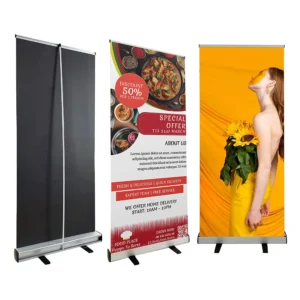
Custom Roll Up Banner Printing provides brands with a practical, portable solution for ultra-clear, high-impact signage that engages attendees at events, guides traffic through booths, and reinforces brand consistency across venues, all while keeping your team nimble and avoiding bulky, cumbersome display setups. These retractable displays are engineered for quick setup, secure transport in compact cases, and scalable sizing to fit a compact booth, a showroom wall, or a conference foyer, ensuring you can deploy impressive visuals without the burden of heavy, temporary equipment and repeated assembly stress. Material selection shapes print quality and durability, so understanding options—from vinyl to fabrics—helps you balance color accuracy, finish (matte or gloss), and cost, while considering indoor versus outdoor use, weather exposure, and how the media will perform during repeated roll-outs. Key specifications such as width, height, bleed, resolution, and color management govern how your artwork translates into a sharp, on-brand display, and collaborating with a capable printer ensures precise trimming, consistent color, and reliable retraction that minimizes creasing and downtime during setup. In this guide, you’ll find practical tips and best practices that optimize readability, branding, and audience engagement for banners, helping you maximize return on investment at events, trade shows, and in-store promotions.
Think of this as a pull-up banner system—an equally compact, autonomous display that unfolds to reveal crisp images and on-brand messaging in minutes. Like other portable signage options, these retractable structures rely on careful material selection and imaging, but they also benefit from streamlined design, lightweight hardware, and reliable retraction mechanisms that withstand frequent transport. When planning, consider placement, illumination, and audience reach, and align your choices with your brand voice so that the signage feels cohesive with brochures, websites, and social media. Beyond the basics, working with a trusted printer who can advise on media thickness, finishes, and protective packaging helps ensure your investment performs as promised. In short, whether you call it pull-up display, retractable banner, or portable banners, the goal remains the same: clear communication, strong visuals, and easy deployment for any event or venue.
Understanding Roll Up Banner Materials and Their Impact on Performance
The media you choose—whether vinyl (PVC), polyester fabric, or polypropylene/PET-based films—directly shapes print quality, durability, and cost. Roll up banner materials like 13 oz or 15 oz vinyl deliver strong color reproduction and crease resistance, making them a reliable option for indoor displays. For brands seeking a premium look with richer color saturation, polyester fabric offers a softer aesthetic and reduced glare, though it may require careful handling to prevent edge curling over repeated use.
Material interactions with hardware matter as well. The top rail, bottom bar, and side panels must accommodate media thickness while allowing smooth retraction. Finishes such as matte coatings reduce glare under bright event lighting, whereas gloss finishes can enhance photo-heavy designs. When selecting materials, consider where the banner will be used (indoors vs outdoors), expected lifespan, maintenance needs, and your brand’s color accuracy requirements to ensure a durable, travel-friendly solution.
Roll Up Banner Specs: Size, Bleed, Resolution, and Color Management
Roll up banner specs cover practical details like width and height options, bleed, and the final print area. Typical widths range from 800–1200 mm (about 31–47 inches) with custom heights, and common configurations include 80–85 cm wide by 200–250 cm tall. If you plan to reuse banners in multiple spaces, a modular approach or a few standard sizes can simplify production and setup.
Important technical considerations include bleed (usually 2–5 mm beyond trim), safe zones (5–10 mm from trim to keep critical content). For sharp graphics, work at 300 dpi for print-ready files or use vector elements for scalability. Design in CMYK and request a color proof to align with brand palettes, knowing that some media may render blues differently or reds more intensely. Color management and media thickness will influence how the final banner looks on site.
Best Practices for Roll Up Banners: Design, Readability, and Brand Consistency
Best practices for roll up banners emphasize clear communication and legibility. Prioritize readability with high-contrast color schemes and large, legible typography, aiming for body text around 14–18 points for close viewing and larger sizes for headlines. Keeping copy concise with focal points and a strong call to action helps passersby grasp the message in seconds.
Brand consistency across all materials strengthens recognition at events. Use vector logos, consistent color palettes, and typography aligned with your guidelines. Plan for viewing distance by placing the most important elements upfront and reserving supporting details for closer inspection. Also factor in environmental considerations like glare and lighting, along with practical packing and transport tips to maintain quality between shows.
The Portable Advantage: Using Portable Banners for Any Event
Portable banners excel at mobility. Their retractable design and lightweight materials make setup quick at trade shows, pop-up retail spaces, conferences, and showroom showcases. When you pair portable banners with durable vinyl or fabric media, you gain a balance of resilience and ease of transport that supports frequent relocation and long-term reuse.
Effective use of portable banners also depends on thoughtful packing, storage, and protection during transit. Use protective tubes or sleeves, along with a carry bag, to minimize creases and edge damage. For outdoor or semi-outdoor deployments, consider UV-resistant media and finishes to preserve color integrity when banners spend time under sun exposure.
Custom Roll Up Banner Printing: Aligning Brand, Materials, and Specs for Maximum Impact
Custom Roll Up Banner Printing brings together material selection, final specs, and finishing options to reflect your brand accurately. Start by aligning media type with your brand guidelines, ensuring color accuracy, and choosing finishes that complement your design—matte for a glare-free look or gloss for vibrant imagery. This approach helps ensure the printed banner remains true to your visual identity across events and venues.
To achieve consistent results, collaborate with your print partner on color proofs, proofing methods, and finishing details. Use CMYK color management, request on-press or soft proofs, and confirm that the top rail and retractable hardware support your chosen media thickness. A coordinated plan for bleed, safe zones, and orientation will reduce reprint risk and speed up production while preserving brand integrity.
Printing Process, Quality Checks, and Longevity of Roll Up Banners
A reliable printing workflow begins with artwork preparation that respects bleed, safe zones, and color profiles, followed by sampling proofs to verify layout and color accuracy. The actual printing uses a high-quality, calibrated printer to achieve consistent results, with large-format inkjet or resin-based systems commonly used for vibrant roll up banners. Finishing steps then trim the material precisely and attach it to retractable hardware.
Maintaining longevity involves careful care and storage. Clean banners with a soft microfiber cloth and mild solutions, store them rolled in a cool, dry environment away from direct sunlight, and protect edges with sleeves or tubes. Regularly inspect the retractable mechanism for smooth operation and replace worn components as needed. Proper attention to materials and finish choices ensures that roll up banners continue to perform well across multiple events.
Frequently Asked Questions
How do roll up banner materials affect Custom Roll Up Banner Printing quality and durability?
Roll up banner materials—such as 13–15 oz vinyl, polyester fabric, or PET films—directly affect print quality and durability in Custom Roll Up Banner Printing. Vinyl is rugged and color-stable for most interiors; fabric offers richer color and a premium look but can curl if not finished; light films save cost for short-term use. Match material choice to your venue, lifespan, and brand color needs.
What should I know about roll up banner specs when planning Custom Roll Up Banner Printing for events?
Key roll up banner specs include width/height options, bleed (2–5 mm), safe zones (5–10 mm), resolution (preferably 300 dpi, or 150–300 dpi for the final size), CMYK color, media thickness, and mounting/retraction. When planning Custom Roll Up Banner Printing, verify sizes with your printer, account for these constraints, and request proofs to ensure the artwork fits the roll up banner specs.
What are the best practices for roll up banners in Custom Roll Up Banner Printing to maximize impact?
Best practices for roll up banners include prioritizing readability with high-contrast colors and legible fonts, limiting copy, using a strong focal image, and maintaining brand consistency. Use 300 dpi (or vector logos) for sharp graphics, design for the viewing distance, and keep critical content inside safe margins. Also request color proofs and choose durable materials to ensure long-lasting impact.
How can I maximize portability and quick setup with Custom Roll Up Banner Printing using portable banners?
Custom Roll Up Banner Printing designed for portability uses retractable hardware, lightweight media, and compact travel cases. For portable banners, select standard widths, pre-assembled designs, and ensure media thickness is compatible with the top rail. Use protective tubes or carry bags to prevent damage during transit and setup.
What artwork resolution and file requirements should I follow for Custom Roll Up Banner Printing under standard roll up banner specs?
Follow standard roll up banner specs: provide print-ready files at 300 dpi at final size, or use scalable vector art for logos. Include 2–5 mm bleed, safe zones, and embedded fonts, and deliver artwork in CMYK color. Supply high-resolution images and vector logos to ensure sharp output in Custom Roll Up Banner Printing.
How do color management and proofing work in Custom Roll Up Banner Printing to ensure brand colors match?
Color management and proofing should involve color-managed proofs (digital or physical) to compare against brand standards under venue lighting. Design in CMYK and request an on-press or hard proof if exact color matching matters, and discuss potential media-specific color shifts with your printer to ensure consistent results in Custom Roll Up Banner Printing.
| Topic | Key Points |
|---|---|
| Materials for Roll Up Banners |
|
| Roll Up Banner Specs |
|
| Best Practices for Custom Roll Up Banner Printing |
|
| Design and Content Tips |
|
| Printing Process & Quality Checks |
|
| Maintenance & Longevity |
|
| Use Cases & Applications |
|