
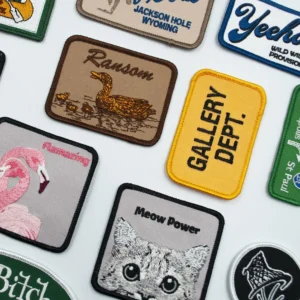
Embroidered patches are more than decorative accents; they’re a wearable form of self-expression and a powerful branding tool. Inside every design lies a deliberate process that blends art, engineering, and practical production know-how. From ideation to finished patches, teams follow a structured workflow that keeps quality consistent across runs. Choosing the right materials helps maintain color fidelity, durability, and wash resistance. This guide introduces practical steps for crafting patches that look great, wear well, and reinforce a brand.
Equally, designers can approach this topic through broader terms like stitched insignias, fabric badges, or textile emblems that convey the same idea. In the realm of embroidered patch production, the focus remains on how artwork translates into durable, scalable stitchwork. For brands seeking personalization, custom embroidered patches offer modular elements that can be recolored or resized across products without losing cohesion. A practical approach helps teams anticipate production realities while keeping creative intent intact. By aligning design decisions with manufacturing constraints, you ensure patches perform in the real world while remaining faithful to the original concept.
From Concept to Patch: Mastering the Patch Design Process
Understanding the patch design process begins with a clear brief: what story the patch tells, who wears it, and where it will be seen. Designers translate concepts into stitch-based artwork that a machine can reproduce, balancing size, shape, color, and level of detail. Framing this work as a design-to-patch workflow helps anticipate production constraints and keep revisions to a minimum.
By treating ideation, digitization, prototyping, and final production as an integrated sequence, you align expectations with manufacturers and clients. A structured approach ensures the finished patch reflects the original concept while performing reliably in real-world wear, laundering, and branding contexts.
Embroidered patches: Materials, Backing, and Finishes That Last
Materials for embroidered patches influence texture, stiffness, and perceived quality. Common fabrics—twill, felt, and dacron-backed textiles—offer different balances of durability and sheen, while thread choices such as polyester and rayon shape color fidelity and fade resistance. The relationship between fabric and floss is foundational to the look of any embroidered patch.
Backing options and edge finishes complete the package: iron-on or adhesive backings enable quick application, while sew-only patches maximize longevity. Merrow edges provide sturdy, finished borders, and laser-cut edges can yield a sleeker silhouette for certain shapes; together they impact edge durability, legibility on small text, and overall brand perception.
Design-to-Patch Workflow: From Sketch to Digitized Embroidery
The design-to-patch workflow begins with concept briefs, rough sketches, and color inspiration, then translates ideas into vector artwork that preserves crisp lines when scaled for small patches. This process guides decisions about size, shape, and contrast long before any stitch is laid down.
In digitization, you specify stitch types, densities, underlays, and color order, aiming to preserve the integrity of the artwork while maximizing stitch efficiency. Clear edge definition and controlled density help prevent thread bleed, puckering, or lost detail on various patch sizes.
Digitization for Embroidery: Practical Tips for High-Quality Stitching
Stitch count and density directly affect fabric behavior; too many stitches can cause puckering, while too few can dull the image. Underlay stitches stabilize the fabric and improve registration, edge definition, and wash durability.
Careful color management and deliberate palette choices ensure consistent results across production runs. Test with samples to catch issues like thread breaks or color bleed before full-scale embroidery, and adjust the palette to keep costs reasonable without sacrificing impact.
Custom Embroidered Patches: Personalization at Scale
Custom embroidered patches unlock branding at scale through modular artwork, reusable design elements, and a controlled color strategy. The design-to-patch workflow supports templated edits for different colors or sizes without compromising the core emblem, while licensing considerations and clear timelines keep projects on track.
Establishing a reliable production template and color-approved swatches helps maintain consistency across batches, ensuring clients receive patches that match their brand vision. Communicate lead times, sampling approvals, and packing requirements early to avoid delays.
Production Realities and Quality Assurance in Embroidered Patches
Working with manufacturers requires precise technical specs: exact thread codes (Pantone or brand-specific), stitch counts per size, backing type, edge finish, and packaging. Clear briefs reduce revisions and align expectations with the embroidered patch production process.
Quality control and testing—prototyping, wash durability, adhesion, and wear resistance across batches—ensure patches perform under real-world conditions. Documenting proofs, backing, and finish choices helps guarantee consistent results from sample to production run.
Frequently Asked Questions
What is the patch design process for embroidered patches?
The patch design process transforms concept art into a stitch-based artwork that an embroidery machine can reproduce. Start with concept, size, and mood boards, then digitize into vector artwork, plan stitch types and density, and map color management and edge definition. Prototyping and testing a sample patch in the final backing and size helps catch issues before production, keeping the project aligned with a clear design-to-patch workflow.
In embroidered patch production, how do color choices and materials for embroidered patches shape the final result?
Choose materials for embroidered patches (twill, felt, or dacron-backed fabrics) and select thread types (polyester vs rayon) to balance sheen and wash durability. Map colors to thread codes (Pantone or brand colors) and plan a practical palette to preserve color fidelity across batches. Prototyping helps verify stitching density and edge definition in the chosen backing.
Why is the design-to-patch workflow important for custom embroidered patches?
A well-defined design-to-patch workflow guides concept development, artwork digitization, embroidery prototyping, and production handoff. It reduces revisions, ensures legibility and color accuracy, and aligns expectations with manufacturers and clients for custom embroidered patches.
What materials for embroidered patches are most common, and how do they affect durability?
Common materials include twill, felt, and dacron-backed fabrics, each offering different stiffness and wear resistance. Thread selection (polyester or rayon) influences sheen and fade resistance; backing options (iron-on, sew-on, or no backing) affect attachment and washing durability. Finishing options like merrow or laser-cut edges also impact appearance and long-term wear.
How can designers maintain legibility on small text in embroidered patches during the patch design process?
Focus on the smallest legible text size early and adapt the design accordingly. Use bold outlines, high-contrast colors, and sufficient density with stabilizing underlay to maintain edge clarity. Test a sample patch at the intended final size with the chosen backing to verify legibility and durability.
In embroidered patch production, what finishing options should you consider to optimize appearance and adhesion?
Choose edge finishes (merrow edges or laser-cut borders) and backing (iron-on, sew-on, or no backing) that fit the patch shape and application. Consider how finishing affects wash durability, adhesion, and overall look, and include these details in your design brief for production-ready files.
| Aspect | Key Points |
|---|---|
| Overview | Embroidered patches are wearable self-expression and branding tools; designed to look great, wear well, and align with a brand. |
| Design Process | Concept to patch workflow; stages from ideation to finished patches; blends art, engineering, and practical production know-how. |
| Key Design Considerations | Size, shape, legibility at small sizes, color fidelity, backing and finishing considerations for real-world use. |
| Digitization & Embroidery Readiness | Use vector art; plan color separations, stitch types, density, underlay, and edge clarity to preserve artwork and optimize stitches. |
| Materials & Finishes | Fabrics such as twill, felt, dacron; threads (polyester vs rayon); backings (iron-on, heat-seal, sew-only); edge finishes like merrow or laser-cut. |
| Workflow Stages | Concept and brief → Artwork development → Digitizing for embroidery → Prototyping → Revisions → Final production → Quality control. |
| Production Realities | Provide exact specs (color codes, stitch counts, backing, edge finish); clear instructions to manufacturers to ensure consistency. |
| Customization & Longevity | Reusable design elements; color consistency; licensing/compliance; longer lead times for custom patches; wear resistance. |
| Common Pitfalls | Overly intricate details at small sizes; muddy color relationships; curling or fraying after washing; mitigate with simplification and testing. |
| Delivering a Cohesive Patch | Strong concept, embroidery-ready vector art, production-ready digitization, material and backing selection, durable finishing. |