
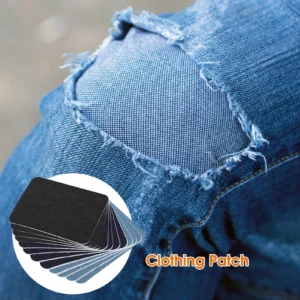
Patches for fashion and denim repairs have moved beyond simple mending to become a bold, practical expression of personal style, sustainability, and storytelling that invites you to reshape your wardrobe rather than replace it, turning fray and hole into an opportunity to communicate who you are and what you value. Across casual jeans and tailored jackets, these small fabric accents can refresh a look, add texture, and extend the life of garments by decades, with patches serving as a reliable focal point that draws attention to washed-in character and the narrative behind each repair. If you’re new to patches, think of them as a creative toolkit that blends function with flair while fitting into a busy lifestyle, where quick tweaks can save a favorite item from the donation bin and spark conversations about craftsmanship. The practical side is supported by simple methods, clear guidance, and a spirit of experimentation that makes the process accessible to beginners while offering room for seasoned crafters to refine their technique. By choosing the right balance of patches, placement, and care, you can craft a wardrobe that evolves with you and keeps favorite pieces out of landfills. For those curious about the mechanics, this guide will walk you through choosing patches that match weight and weave, preparing the fabric, and applying them with heat, stitching, or adhesives in ways that protect the garment’s structure while preserving its character. The result is a durable, expressive piece that partners well with a growing, mindful closet over time.
Looking at this topic through a broader lens, these textile embellishments act as garment adornments that blend utility with style, reframing repairs as intentional design decisions rather than mere fixes. By situating patches within ideas like upcycling, slow fashion, and personal storytelling, the conversation moves toward long-lasting value and reduced waste. Practical approaches emphasize variation in placement, texture, and color—consider embroidery details, decorative appliques, or removable patches that let you refresh looks without permanent changes. This broader view helps readers imagine jeans, jackets, and bags as evolving canvases rather than finished products, inviting ongoing creativity and mindful wardrobe planning.
Understanding Patches: From Repair to Personal Style
Patches are more than simple fixes; they fuse function with fashion, providing a way to cover wear while signaling personal style. From denim patches to fabric patches, patches let you reclaim beloved pieces and give new life to favorites, transforming damage into deliberate design that stands out on everyday outfits.
Choosing patches is about balance—weight, texture, and visibility all influence the final look. When patching jeans or other garments, think about how a patch will interact with the fabric’s weave and your garment’s wear pattern. This approach makes patching jeans a storytelling act, not just a repair, and it ties into the broader DIY clothing repair mindset.
Choosing the Right Patches for Denim Patches and Fabric Patches
Selecting patches starts with the garment’s fabric weight and intended use. For heavy fabrics like denim, opt for sturdy denim or canvas patches and consider a backing that can withstand frequent wear. Iron-on patches offer quick results for denim patches, while sew-on patches provide extra durability, especially on items that see regular washing.
Color, texture, and patch size matter as much as fabric compatibility. Lighter fabrics benefit from thinner patches to avoid bulk, whereas thicker fabrics pair well with robust backing. Whether you’re enhancing a jacket or mending jeans, aligning patch type with fabric ensures a cohesive, durable result.
Patches for Fashion and Denim Repairs: A Practical Guide to Iron-On and Sew-On Options
Patches for fashion and denim repairs offer a versatile toolkit for refreshing wardrobes. Iron-on patches provide a fast, accessible entry point for beginners, while sew-on patches deliver durability suitable for heavy-use items like jackets and pants. Both options can be complemented with a light stitching line to lock edges and extend patch life.
Embedding patches thoughtfully—whether denim patches or fabric patches—lets you tell a story with your clothes. Size and placement matter: a single bold patch can become a focal point, while a cluster creates a collage effect. Embracing both iron-on and sew-on techniques expands your DIY clothing repair toolkit and supports sustainable styling.
DIY Clothing Repair: Step-by-Step Patching Jeans with Confidence
DIY clothing repair starts with preparation: clean the area to patch on, remove loose threads, and consider reinforcing worn areas with a small interior backing. This prep work sets the stage for durable patches on denim and other fabrics, making the repair both functional and stylish.
Then choose your method—iron-on for speed or sew-on for longevity. For iron-on patches, apply heat and pressure according to the patch’s instructions, ideally with a protective cloth. For sew-on patches, anchor with a tight zigzag stitch around the edges. Finishing touches, like a light top-stitch around the patch, help secure durability on patching jeans.
Creative Layouts and Styling with Fabric Patches and Denim Patches
Creative layouts transform repairs into design statements. Symmetrical patches on a denim jacket create a curated look, while a collage-style arrangement on a backpack or tote adds a free-spirited vibe. Patching jeans with a thoughtful mix of denim patches and fabric patches can balance color, texture, and movement across the garment.
Color-blocking patches or mixing monochrome tones can achieve different aesthetics, from bold and rebellious to refined and minimalist. By experimenting with patching jeans and other garments, you can extend their life while expressing your personal style and sustainability goals.
Care, Maintenance, and Longevity: Keeping Iron-On and Sew-On Patches Looking Fresh
Proper care extends patch life. Wait 24–48 hours after applying patches before washing to let adhesives set, then turn garments inside out and choose a gentle cycle with cold water. Air-drying is ideal, and if you must use a dryer, opt for low heat to protect the patch edges and fabric.
For sew-on patches, hand washing or gentle machine cycles help maintain stitches and reduce fraying. Revisit edges periodically and resew where needed. With the right care, patches—whether denim patches or fabric patches—remain a stylish, durable addition to your wardrobe for seasons to come.
Frequently Asked Questions
What are patches for fashion and denim repairs, and why are denim patches useful?
Patches for fashion and denim repairs are pieces of fabric, embroidery, or adhesive-backed material used to cover, reinforce, or decorate garments. Denim patches add durability and visual interest to jeans and jackets, while fabric patches refresh other fabrics. They support sustainability by extending garment life and enable personal storytelling through DIY clothing repair.
Iron-on patches vs sew-on patches: which is better for patches for fashion and denim repairs?
Iron-on patches are quick and beginner-friendly, using heat-activated glue; sew-on patches are more durable for frequent wear since they are stitched on. For patches for fashion and denim repairs, you can start with iron-on on jeans and then reinforce edges with stitching, or opt for sew-on patches for long-lasting results on denim.
How do you apply iron-on patches to denim for patching jeans or jackets?
Gather supplies: iron-on patches, a clean garment, a press cloth, and a hot iron. Position the patch where you want it, then heat-set according to the patch’s instructions (usually 15–40 seconds). Place a thin cloth over the patch, apply firm, even pressure, and let it cool completely. For extra durability, sew around the patch edge after pressing.
What fabric patches are ideal for denim vs lightweight fabrics in DIY clothing repair?
Denim patches and other sturdy fabric patches (cotton twill, canvas) work well for denim garments, while thinner patches suit lightweight fabrics to avoid bulk. Choose patch material and backing that match the garment weight, color, and wash frequency, and test on a hidden area if you’re using stretch fabrics.
What care steps help patches for fashion and denim repairs stay looking fresh?
Wait 24–48 hours after applying patches before washing. Turn garments inside out, use a gentle cold cycle when possible, and air-dry to extend patch life. For sew-on patches, occasional hand washing helps protect stitching; avoid high-heat dryers that can loosen adhesives or fray edges.
What are creative ideas for using patches to DIY clothing repair and patching jeans?
Use patches for fashion and denim repairs as design accessories: apply a symmetrical set of denim patches on a jacket, create a collage on the back panel, or mix iron-on and sew-on patches for durability and flair. Color-block or monochrome patch choices can reflect your personal style while extending the life of your pieces.
| Key Point | Summary |
|---|---|
| What patches are | A piece of fabric, embroidered motif, or adhesive-backed material that covers, reinforces, or decorates fabric; patches can be pragmatic (repair) or decorative, extending garment life and style. |
| Why patches matter | Accessible, low cost, and sustainable way to extend clothing life, reduce waste, and enable personal style. |
| Patch types | Iron-on (heat-activated adhesive), sew-on (requires stitching); other options include Velcro-backed embroidery patches and no-sew glues, each with pros and cons. |
| Choosing patches | Select patches that suit fabric weight, weave, color, texture, and area; heavier fabrics like denim need sturdier backing; larger patches act as focal points while smaller ones can be subtle. |
| Denim patching tips | Prep the fabric and reinforce worn areas; choose patch type by fabric and wear; consider placement (knee/elbow classic; collage on back; patch near a pocket for a twist). |
| Iron-on steps (denim-friendly) | Position patch, cover with thin cloth, apply heat per patch instructions (often 15–40 seconds), cool completely, and optionally sew edges for durability. |
| Care and washing | Wait 24–48 hours after applying, turn garment inside out, wash cold, gentle cycle; air-dry when possible; sew-on patches may benefit from occasional hand washing. |
| Creative ideas | Use patches as design accents: symmetrical sets, collage effects, color-blocking, or tasteful contrast to tell a story about the garment. |
| Durability, compatibility, and safety | Choose patch backing that suits the fabric; test on a hidden area if unsure; finish edges for durability; follow safety guidelines when using heat or sewing tools. |
| Troubleshooting common issues | If a patch won’t stick, re-press or re-apply; wrinkles can be re-pressed; color bleeding can be minimized by pre-washing patches and using appropriate fabrics. |
| Patch care as a lifestyle | Patches support sustainability by extending garment life and enabling personal expression in everyday wear. |
| Final takeaway | Patches offer a versatile path to refresh, customize, and extend the life of denim and fabric garments through thoughtful choices and proper techniques. |
Summary
Patches for fashion and denim repairs offer a creative, sustainable approach to wardrobe refreshment. This descriptive overview summarizes how patches work, the main types, how to apply them, care tips, and ideas to keep patched garments looking fresh season after season. By choosing appropriate patches, preparing surfaces, and following proper care, you extend garment life while expressing personal style. Whether patching jeans or a denim jacket, patches empower you to mend, customize, and narrate your clothes with care.