
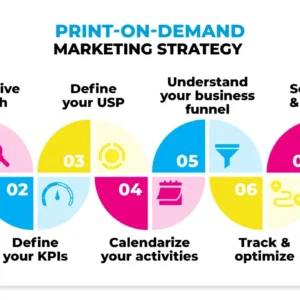
Print on Demand Marketing has transformed from a niche idea into a scalable, data-driven discipline. For creators, entrepreneurs, and brands selling via POD, the main challenge isn’t just getting traffic—it’s turning that traffic into loyal customers. This guide dives into proven POD marketing strategies that convert, blending audience insight, compelling offers, and smart channel mix. Whether you’re launching a new POD store or optimizing an existing catalog, the goal remains the same: attract the right visitors, present irresistible value, and guide them to purchase with minimal friction across POD channels. By focusing on conversion optimization and print on demand optimization, you’ll improve every touchpoint from discovery to checkout.
Viewed through the lens of on-demand merch marketing, the field emphasizes turning ideas into sellable products with efficient production and fast fulfillment. Across POD channels, brands blend discovery, personalization, and storytelling to drive engagement on multiple platforms. Etsy POD marketing exemplifies how a marketplace ecosystem can jumpstart demand while maintaining a strong storefront experience. This approach reframes the conversation as conversion-centric merchandising, focusing on optimized product pages, pricing, and offers that encourage repeat purchases. By aligning content, visuals, and value with shopper intent, you create a resilient funnel that scales with traffic from a diversity of sources.
Understanding Your POD Audience for Targeted Marketing
A precise understanding of who buys your products is the foundation of effective POD marketing. By building buyer personas, you tailor messages, visuals, and offers to match intent, whether customers are hobbyists seeking unique designs, small business owners needing branded merch, or niche enthusiasts chasing limited editions. This audience-driven focus informs not just copy, but product selection, pricing, and presentation across channels.
To transform insights into action, map the customer journey from awareness to purchase. Start with problem statements like “customers want high-quality, affordable merch that reflects their values,” then tie each stage to concrete actions such as search queries, product pages, and checkout steps. This data-driven approach feeds your POD marketing strategies with real intent, guiding you toward content and offers that resonate and convert.
Crafting a Conversion-Focused POD Storefront
Conversion optimization starts with a storefront that communicates value, quality, and benefits at a glance. High-resolution product visuals and lifestyle photography help shoppers picture using the item, while descriptive copy answers the crucial “why this product?” question. Clear value propositions—such as durable print quality, premium fabrics, and fast shipping—reduce hesitation and support faster decisions.
On-page elements matter as much as imagery. A strong product title, SEO-friendly descriptions, and strategic use of the focus keyword print on demand marketing signal relevance to search engines and inform customers. Trust signals—customer reviews, UGC, influencer showcases, and transparent shipping policies—lower perceived risk, while simple CTAs like Add to Cart and Buy Now guide visitors toward checkout with minimal friction.
Optimizing Product Listings and Visuals for Higher Conversions
Product listings are where intent meets clarity. Use benefit-driven descriptions, size charts, and care instructions to reduce post-click friction. Pair this with lifestyle images and short videos that demonstrate fit, scale, and context, making it easier for shoppers to visualize owning the product. Integrating social proof in listings—reviews, customer photos, and success stories—builds credibility and confidence.
Beyond visuals, optimize for conversion with strategic pricing and offers. Bundles, limited-time discounts, and smart shipping incentives can lift average order value without eroding perceived value. For marketplaces like Etsy, align listings with platform-specific best practices and keywords to boost visibility and capture shopper intent effectively—the essence of POD marketing strategies that convert.
Channel Strategy: POD Channels and Marketplaces
A diversified channel strategy expands reach and reduces risk. Leverage POD channels that resonate with visual products—Pinterest and Instagram for discovery, coupled with a strong Etsy POD marketing presence for built-in buyer intent and community features. A balanced mix of marketplace exposure and a branded storefront helps capture both impulse and considered purchases.
Paid and organic growth should work in concert across platforms. Use marketplace listings to harvest discoverability while driving traffic to your own store for higher lifetime value. Across channels, craft cohesive messaging and use retargeting to remind visitors of designs they viewed. This cross-channel approach embodies POD marketing strategies that maximize conversions and scale growth.
Content Marketing and SEO for POD Marketing
Quality content positions your brand as a trusted authority and nudges buyers toward purchase. Create design inspiration galleries, behind-the-scenes looks, styling tutorials, and production stories that align with search intent. Tie content to product pages and social channels, ensuring each piece reinforces your core message and showcases your designs in real-world use.
SEO for POD products should emphasize both the core term print on demand marketing and related concepts like POD marketing strategies and print on demand optimization. Develop a structured content plan with evergreen guides and timely trend posts, and build pillar content around core themes. Use schema markup for products, reviews, and FAQs to capture rich results and improve visibility across search engines.
Measuring, Testing, and Iteration for Growth
A data-driven mindset keeps your POD business improving over time. Track micro and macro metrics such as traffic quality, engagement, conversion rate, cart abandonment, and average order value. Customer feedback metrics—like NPS and review sentiment—offer qualitative signals to refine products and service.
Adopt a disciplined A/B testing framework focused on POD-specific value propositions—durability, print quality, eco-friendly materials, and shipping speed. Time-bound tests prevent drift and ensure rapid iteration. Combine testing with seasonal and evergreen campaigns to sustain growth, ensuring your POD marketing strategies deliver predictable, repeatable results across channels.
Frequently Asked Questions
What is Print on Demand Marketing and how do POD marketing strategies boost conversions?
Print on Demand Marketing is a data‑driven approach to promoting POD products across channels. Effective POD marketing strategies combine audience insight, compelling offers, and a smart channel mix with conversion optimization to turn traffic into paying customers, while measuring impact through metrics like conversion rate and average order value.
How can I optimize listings for Print on Demand Marketing to improve conversion optimization?
Optimize product titles, descriptions, and images with the focus keyword print on demand marketing and related terms. Use descriptive, benefit‑driven copy, provide size/shipping details, and include social proof to reduce friction and boost conversions, testing variations to find what resonates best.
Which POD channels should I prioritize for Etsy POD marketing and overall Print on Demand Marketing?
Prioritize a channel mix that includes Etsy POD marketing for a built‑in audience, while also driving traffic to your own storefront. Leverage POD channels like Pinterest and Instagram for discovery, complemented by paid and search campaigns to maximize reach and conversions.
What is print on demand optimization and how can it scale a POD business?
Print on demand optimization means refining product design, pricing, production, shipping, and on‑site copy to improve perceived value and conversion. Scale comes from consistent experimentation, better product pages, faster fulfillment, and a clearer value proposition across all POD marketing touchpoints.
What role do email and retargeting play in POD marketing strategies and Print on Demand Marketing?
Email and retargeting are essential for recovering interested shoppers and nurturing lifetime value. Build lists with design prompts or exclusive offers, send abandoned cart reminders, and segment by behavior to tailor POD marketing messages that drive repeat purchases.
Which metrics matter most for Etsy POD marketing and broader Print on Demand Marketing efforts?
Track traffic quality, engagement, and conversion metrics (e.g., view‑to‑purchase rate, cart abandonment, AOV). Measure ROAS for paid campaigns, and monitor customer lifetime value and NPS to refine POD marketing strategies across channels.
| Topic | Key Points |
|---|---|
| Introduction |
|
| Understanding Your POD Audience |
|
| Crafting a Conversion-Focused Storefront |
|
| Content that Drives Purchase Intent |
|
| POD Marketing Strategies That Convert: Tactics You Can Implement |
|
| Measuring Success: Metrics that Matter for Print on Demand Marketing |
|
| A/B Testing and Iteration |
|
| Seasonality, Trends, and Evergreen Campaigns |
|
| Common Pitfalls to Avoid |
|
Summary
Print on Demand Marketing is a data-driven discipline that blends audience insight, compelling visuals, persuasive copy, and disciplined testing to drive growth. Start with understanding your audience, optimize storefronts for conversions, and develop content and offers that align with search intent. A diversified channel strategy—across marketplaces, social, email, and paid ads—helps reach the right customers. Measure, test, and iterate to build a scalable growth engine for your POD business.