
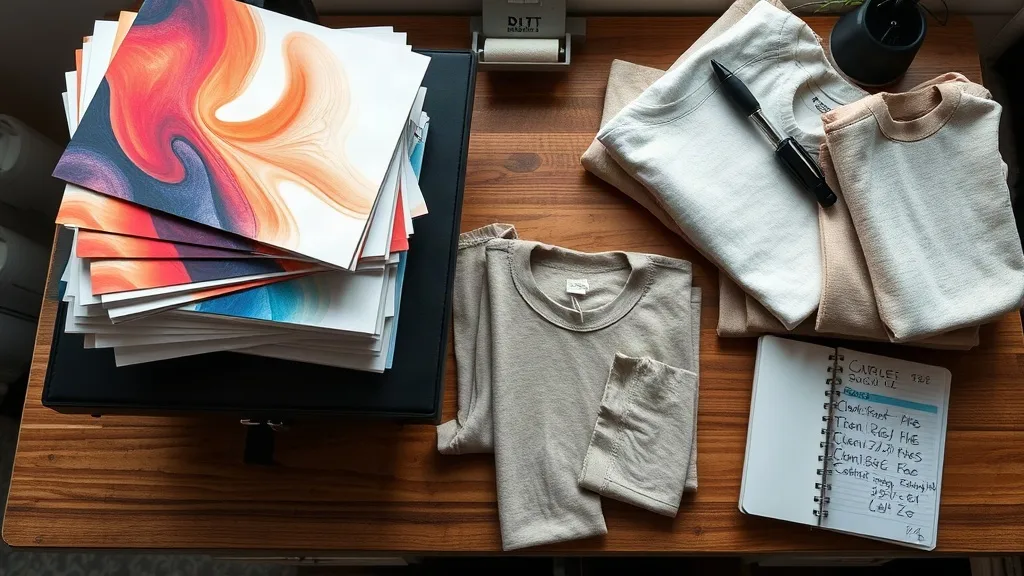
Walk into any small print shop on a busy Friday and you will see the same scene: a heat press humming, a pile of shirts on the counter, and someone squinting at a design file that looked fine on screen but will not survive contact with fabric. Custom dtf transfers have quietly become one of the most practical tools for shops that face this exact situation, because they let you print full-color, photographic, or gradient-heavy artwork on almost any garment without setting up screens or buying a single roll of colored vinyl. This guide is written from the perspective of people who actually press shirts for a living, so it focuses on the details that matter once the marketing brochure is out of the way.
What DTF Actually Is, Without the Sales Pitch
dtf stands for direct-to-film. A printer lays water-based pigment ink onto a coated PET film, then applies a fine adhesive powder over the wet ink. That powder melts into the ink in a curing step, and the result is a flexible, stretchable transfer you can store flat and press on demand. The key difference from DTG (direct-to-garment) is that the printing and the pressing are two separate events. You can print a hundred sheets on Monday and press them across the following three weeks, which is a huge advantage for shops that take orders in waves or run limited drops.
The other difference people notice quickly is fabric tolerance. DTF adheres to cotton, polyester, blends, canvas, and even some nylon and leather-look materials, provided you follow the temperature and pressure recommendations for that specific substrate. That flexibility is why a lot of shops now keep a small DTF printer next to their embroidery machine rather than adding another screen printing arm.
Film, powder, and ink: the three variables that decide quality
Most DTF problems trace back to one of three things. The film coating determines how cleanly the ink releases during pressing. The powder grade determines how soft the final hand feel is and how well the transfer survives washing. The ink profile determines color accuracy, especially in the dark blues and deep reds that tend to shift. When you buy transfers from a supplier rather than printing in-house, you are essentially trusting their choices on all three. Ask about film brand and powder mesh size before you commit to a large order, and press a sample on the exact garment you plan to use.
Where DTF Fits in a Real Shop Workflow
It helps to think of DTF as a problem solver rather than a replacement for everything else. Screen printing still wins on large runs of one or two colors. Vinyl still wins on single-color names and numbers where the customer wants a specific matte finish. DTF wins in the messy middle: full-color artwork, short runs, jobs with a tight deadline, and anything that mixes multiple garment types in a single order.
- Team orders where half the shirts are cotton and half are performance polyester.
- Bachelorette and family reunion jobs with twelve different names in one design.
- Sample and proof runs where the customer wants to see the real thing before approving a bulk order.
- Photo-based artwork, watercolor illustrations, and anything with soft gradients.
- Last-minute orders where a screen setup would eat the entire profit margin.
A typical workflow looks like this: the customer approves a digital proof, you print or order the gang sheet, cure it, and store the transfers in a flat file organized by order number. When the garments arrive, pressing takes under a minute per piece once you have your settings dialed in. The bottleneck moves from production to order management, which is a much easier problem to solve.
Press Settings That Actually Work
Every press runs a little differently, so treat any published number as a starting point and then verify with a test press. A common baseline for cotton is 150 to 160 degrees Celsius, medium to firm pressure, and 10 to 15 seconds for the main press, followed by a peel and a short second press with a cover sheet. Polyester often needs a lower temperature, sometimes 140 to 150 degrees, to avoid dye migration, and a barrier or blocker layer underneath is worth keeping on hand.
Peel hot or cold?
Most modern films are designed for a warm peel, meaning you wait a couple of seconds after the press opens and then pull the film back at a steady angle. If the design looks like it is tearing or the edges lift, the film is probably too cool. If the ink stretches and smears, it is too hot. Adjust in small increments and note what worked on the film box.
Wash testing is not optional
Before you ship a fifty-piece order, wash one sample inside out in cold water, tumble dry low, and inspect the edges. A transfer that looks perfect on the press can still fail at the rim after three washes if the pressure was too light or the garment had a heavy softener finish. Keep written notes on your press settings for each garment style you stock, because the difference between a good and a bad press is often five degrees and a few seconds.
Pricing DTF Work So You Actually Make Money
The temptation with DTF is to price per square inch and call it done. That works for some shops, but it ignores labor, film waste, and the cost of mistakes. A more reliable approach is to build a per-piece price that includes the transfer cost, the pressing time, and a small buffer for reprints. If a transfer costs you two dollars and pressing takes a minute and a half, your price should reflect both, plus the overhead of running the shop.
Gang sheets change the math. When you nest multiple designs on one sheet, the per-design cost drops sharply, but only if you fill the sheet. Small shops often lose money by printing three designs on a sheet sized for twelve. Batching orders by deadline, rather than by customer, is how experienced operators keep sheets full and margins healthy.
The Mistakes That Cost the Most
The first mistake is skipping the pre-press. Lint, pet hair, and fabric softener residue all interfere with adhesion. A quick roll with a lint brush and a few seconds of pre-pressing the garment to remove moisture solves most of it. The second mistake is pressing over seams, zippers, or thick collars without a pillow. Uneven pressure means uneven adhesion, and the customer will find the weak spot within a month.
The third mistake is storing transfers badly. Stack them flat, keep them away from heat and direct sunlight, and do not fold them. A creased transfer will show a line in the final print that no amount of re-pressing will fix. Finally, resist the urge to press at a higher temperature to speed things up. Faster is not better here, and a scorched polyester shirt costs more than the minute you saved.
Choosing a Supplier Without Getting Burned
When you buy transfers rather than print them, the supplier becomes part of your quality control. Ask for a physical sample before a large order, check the ink density on a dark garment, and test the stretch. A good supplier will tell you which film and powder they use and will not hesitate to send a sample. If the answer is vague, that is your answer.
Turnaround time matters as much as quality. A shop that promises two-day shipping but delivers in six will cost you customers during holiday season. Keep a backup supplier on file, and order your gang sheets with a buffer of a few days until you trust the delivery rhythm.
Frequently Asked Questions
Can DTF transfers be applied to 100% polyester performance wear?
Yes, but with care. Polyester dyes can migrate into the transfer at high heat, so press at the lower end of the range, use a blocker layer if the garment is dark, and always wash test a sample before a bulk run.
How long do DTF transfers last on a shirt?
With correct pressing and normal washing inside out in cold water, most quality transfers hold up for dozens of washes. Longevity depends more on press pressure and garment finish than on the transfer itself.
Is DTF cheaper than screen printing for small orders?
Almost always, yes. Screen printing carries setup costs per color, so a ten-piece order with four colors rarely makes sense. DTF has no per-color setup, which makes it the better fit for short runs and full-color art.
Can I stack or layer DTF transfers?
You can, but keep it simple. Press the bottom layer fully, let it cool, then press the top layer with a cover sheet. Layering too many transfers in one spot creates a stiff, heavy patch that will crack over time.
Do I need a special press for DTF?
A standard heat press with adjustable temperature and pressure works fine. What matters is consistency, so calibrate your press with a temperature gun and keep a log of settings for each garment type you use.