
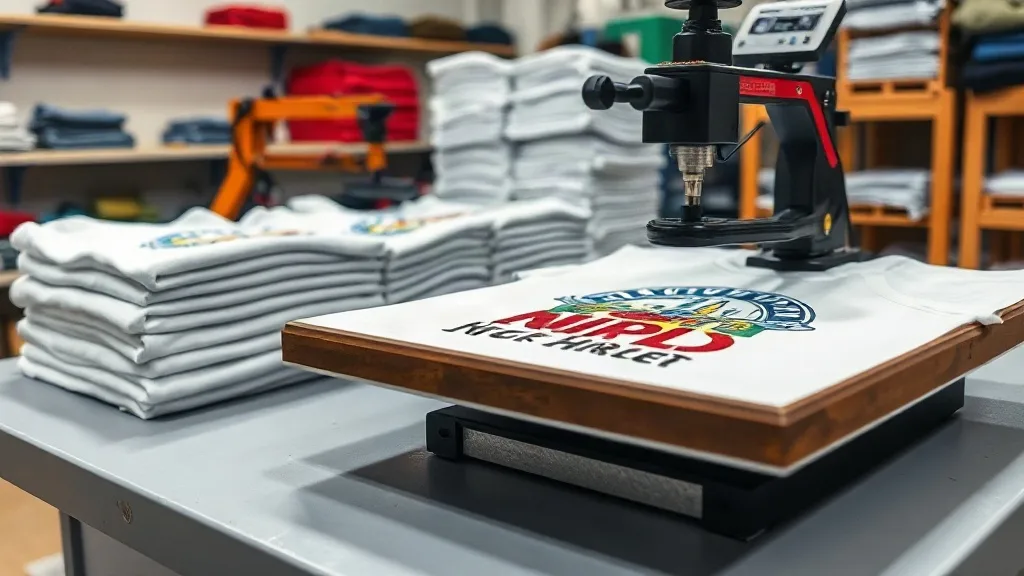
In the ever-evolving world of custom apparel, dtf transfers have emerged as a game-changer, offering unparalleled vibrancy and durability. Whether you're a small business owner looking to expand your product line or a DIY enthusiast wanting to create personalized gifts, understanding DTF technology can elevate your projects. This guide dives deep into what makes DTF transfers stand out, how to ensure quality, and where to find reliable services.
What Are DTF Transfers?
DTF stands for Direct-to-Film, a printing method where designs are printed onto a special film and then transferred to fabric using a heat press. Unlike traditional methods like screen printing or vinyl, dtf allows for full-color, high-detail prints on a wide range of materials, including cotton, polyester, and blends. The process involves printing with water-based inks, applying a powder adhesive, and curing the design before transferring it.
Why Choose DTF Transfers?
DTF transfers offer several advantages that make them a preferred choice for many:
- Vibrant Colors: DTF prints can reproduce complex gradients and photorealistic images with stunning accuracy.
- Durability: When properly applied, DTF transfers withstand multiple washes without fading or cracking.
- Versatility: They work on almost any fabric, including dark and light colors, without the need for pre-treatment.
- Eco-Friendly: Water-based inks and minimal waste make DTF a more sustainable option compared to some other printing methods.
How to Ensure Quality DTF Transfers
Not all DTF transfers are created equal. The quality depends on several factors, from ink and film selection to the printing and transfer process. Here’s what to look for:
1. High-Quality Inks and Films
Premium water-based inks ensure vibrant colors and soft hand feel. The film should be designed for DTF, with a coating that releases the design cleanly.
2. Proper Powder Application
The adhesive powder must be evenly applied and cured correctly. Excess powder can lead to a stiff feel, while too little results in poor adhesion.
3. Precise Heat Press Settings
Temperature, pressure, and time are critical. Typically, transfers are pressed at 300-325°F for 10-15 seconds. Always follow the supplier's recommendations.
Finding DTF Transfers Near Me
If you're searching for dtf transfers near me, you're likely looking for a local provider who can deliver quickly and offer personalized service. Here are tips to find the best:
- Check Online Reviews: Look for testimonials about print quality and customer service.
- Request Samples: Before committing to a large order, test a sample to assess color accuracy and durability.
- Ask About Turnaround Time: Ensure they can meet your deadlines, especially for bulk orders.
- Verify Equipment: A professional DTF printer and heat press indicate a serious provider.
Many local print shops now offer DTF services, and online suppliers can also ship nationwide. If you prefer a hands-on approach, you can even invest in your own DTF printer and supplies.
Applications of DTF Transfers
DTF transfers are incredibly versatile and can be used for:
- Custom T-Shirts: Perfect for team uniforms, event merchandise, and personal designs.
- Hoodies and Sweatshirts: The stretchable nature of DTF prints makes them ideal for knitwear.
- Tote Bags and Accessories: Add vibrant designs to canvas bags, hats, and more.
- Sportswear: DTF prints move with the fabric, making them suitable for activewear.
DTF vs. Other Printing Methods
How does DTF compare to screen printing, DTG, and vinyl? Here’s a quick breakdown:
- Screen Printing: Better for large orders of simple designs; DTF excels in complex, full-color prints.
- DTG (Direct-to-Garment): DTG requires pre-treatment and works best on 100% cotton; DTF is more versatile and often more durable.
- Vinyl: Vinyl is limited to single-color designs and can feel heavy; DTF offers full-color, soft prints.
Tips for Applying DTF Transfers
To get the best results, follow these steps:
- Preheat the Fabric: Remove moisture and wrinkles.
- Position the Transfer: Place the film with the design facing up.
- Press: Apply heat and pressure according to the supplier's instructions.
- Peel: Wait for the transfer to cool completely before peeling the film for a matte finish, or peel hot for a glossy look.
- Post-Press: Cover with parchment paper and press again for 5 seconds to ensure adhesion.
Common Mistakes to Avoid
Even experienced users can make mistakes. Watch out for:
- Insufficient Pressure: Leads to poor adhesion and early peeling.
- Wrong Temperature: Too hot can scorch the fabric; too cold results in incomplete transfer.
- Peeling Too Early or Late: Follow the recommended peel method for your film type.
- Ignoring Fabric Type: Some fabrics require lower temperatures or special handling.
Conclusion
DTF transfers are a versatile and durable solution for custom apparel, offering vibrant colors and ease of use. By choosing quality supplies and following best practices, you can achieve professional results every time. Whether you're searching for dtf transfers near me or looking to start your own DTF printing, the possibilities are endless.
Frequently Asked Questions
How long do DTF transfers last?
With proper application and care, DTF transfers can last 50+ washes without significant fading or cracking.
Can I use DTF transfers on dark fabrics?
Yes, DTF transfers work on both light and dark fabrics. The white ink layer ensures vibrant colors on dark backgrounds.
Do I need special equipment to apply DTF transfers?
A heat press is essential. You can also use a home iron, but results may vary. For professional quality, invest in a heat press.
Are DTF transfers eco-friendly?
DTF uses water-based inks and produces minimal waste, making it more eco-friendly than some traditional methods. However, always check with your supplier for specific certifications.
Can I wash garments with DTF transfers in a machine?
Yes, turn the garment inside out and wash in cold water. Avoid bleach and tumble dry on low. Follow care instructions provided by the transfer supplier.