
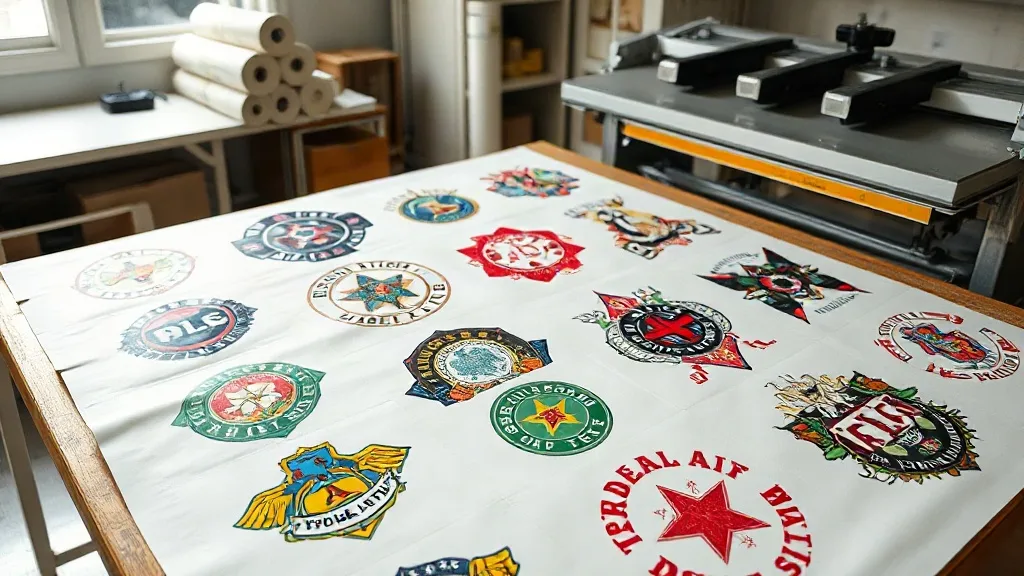
In the competitive world of custom apparel printing, efficiency and cost-effectiveness are key to staying profitable. One innovation that has revolutionized the industry is the DTF Gangsheet. This method allows you to print multiple designs on a single sheet, drastically reducing waste and turnaround time. Whether you're a small print shop owner or a seasoned professional, understanding DTF gangsheets can transform your workflow.
What is a DTF Gangsheet?
A DTF gangsheet is a large sheet of transfer film that holds multiple DTF (Direct-to-Film) prints arranged efficiently. Instead of printing each design individually, you gang multiple designs onto one sheet, maximizing the use of the film and ink. This approach is particularly beneficial for high-volume orders or when you need to produce various designs quickly. The DTF Gangsheet method is gaining traction because it addresses common pain points like material waste and slow production times.
How DTF Gangsheets Work
The process begins with designing your artwork and arranging it on a gangsheet template using specialized software. The sheet is then printed using a DTF printer, which deposits a layer of white ink followed by color inks onto a release film. After printing, a hot melt powder is applied, and the sheet is cured. The final step involves pressing the transfers onto garments using a heat press. The beauty of a gangsheet is that you can mix different designs, sizes, and quantities on a single sheet, optimizing your production run.
Benefits of Using DTF Gangsheets
Adopting DTF gangsheets can bring numerous advantages to your print business. Here are some key benefits:
- Cost Efficiency: By maximizing the use of film and ink, you reduce waste and lower your per-unit cost. This is especially important when dealing with expensive materials.
- Time Savings: Printing multiple designs at once cuts down on setup time and allows you to complete large orders faster. You can also gang similar designs to streamline the pressing process.
- Versatility: Gangsheets support a wide range of designs, from small logos to large graphics, and can be used on various fabrics, including cotton, polyester, and blends.
- Consistency: Printing all transfers on one sheet ensures color consistency across the entire batch, which is crucial for brand uniformity.
Cost Efficiency in Detail
Let's break down the cost savings. DTF printing involves consumables like film, ink, and powder. When you print individual designs, you often have unused space on the film, leading to waste. With a gangsheet, you arrange designs to fill the sheet completely, minimizing leftover areas. Additionally, the time saved in setup and printing translates to lower labor costs. For a small shop, these savings can add up quickly, allowing you to offer competitive pricing without sacrificing quality.
How to Create a DTF Gangsheet
Creating a gangsheet requires careful planning and the right tools. Follow these steps to ensure a smooth process:
- Design and Layout: Use gangsheet builder software to arrange your designs on the sheet. Consider the size of each design, the quantity needed, and the sheet dimensions. Aim to minimize empty space while keeping designs easily accessible for cutting.
- Printing: Load the DTF printer with the appropriate film and ensure the ink levels are sufficient. Print the gangsheet using the correct settings for your printer and film.
- Powder Application: While the ink is still wet, apply hot melt powder evenly across the sheet. Shake off excess powder and cure the sheet according to the powder manufacturer's instructions.
- Pressing: Cut out individual transfers and press them onto garments using a heat press. Follow the recommended temperature, pressure, and time for your specific materials.
Tips for Efficient Gangsheet Layout
To get the most out of your gangsheet, consider these tips:
- Group similar colors together to reduce ink changes and improve color consistency.
- Nest designs tightly but leave enough space for cutting.
- Rotate designs to fit irregular shapes and maximize sheet usage.
- Use software that automatically calculates the most efficient layout.
Common Mistakes to Avoid with DTF Gangsheets
Even experienced printers can make mistakes when working with gangsheets. Here are some pitfalls to watch out for:
- Overcrowding: Packing too many designs can lead to cutting errors and difficulty in pressing. Leave a small margin between designs.
- Inconsistent Powder Application: Uneven powder can cause poor adhesion and washing failures. Always apply powder evenly and cure properly.
- Ignoring Film Orientation: Printing on the wrong side of the film will ruin the transfer. Double-check the film's printable side.
- Using Incorrect Press Settings: Each fabric and transfer requires specific press settings. Test a small sample before pressing the entire batch.
DTF Gangsheets vs. Other Printing Methods
How do DTF gangsheets compare to screen printing or DTG? Each method has its strengths. Screen printing is cost-effective for large orders of a single design but requires setup for each color. DTG is great for detailed designs but can be slow and costly for small batches. DTF gangsheets offer a balance: they handle multiple designs efficiently, work on various fabrics, and have a lower setup cost than screen printing. For shops that need versatility and speed, DTF gangsheets are a compelling choice.
When to Choose DTF Gangsheets
Consider DTF gangsheets when you have orders with multiple designs, small to medium quantities, or a mix of fabric types. They're also ideal for rush orders because you can print and press quickly. If you frequently produce sample packs or one-off custom items, gangsheets can save you time and money.
Maximizing ROI with DTF Gangsheets
To get the best return on investment, focus on optimizing your gangsheet usage. Track your material consumption and adjust layouts to reduce waste. Invest in quality film and powder to minimize defects. Train your staff on proper techniques to avoid costly errors. By treating your gangsheet production as a system, you can continuously improve efficiency and profitability.
Frequently Asked Questions
What is the maximum size for a DTF gangsheet?
The maximum size depends on your printer's capabilities. Common widths are 13, 17, and 24 inches, with lengths limited by the roll size. Check your printer specifications for exact limits.
Can I mix different fabric types on one gangsheet?
Yes, you can print transfers for different fabrics on the same sheet. However, you'll need to adjust press settings for each fabric during application. It's often more efficient to group transfers by fabric type.
How do I store unused DTF transfers from a gangsheet?
Store them in a cool, dry place away from direct sunlight. Keep them flat to avoid creasing. Properly stored transfers can last several months.
Do I need special software to create a gangsheet?
While you can manually arrange designs, specialized gangsheet builder software can automate the process, ensuring optimal layout and reducing waste. Many DTF printer manufacturers offer such software.
What are the common signs of a poorly made DTF gangsheet?
Look for uneven powder application, smudged prints, or transfers that crack after washing. These indicate issues with powdering, curing, or ink quality.